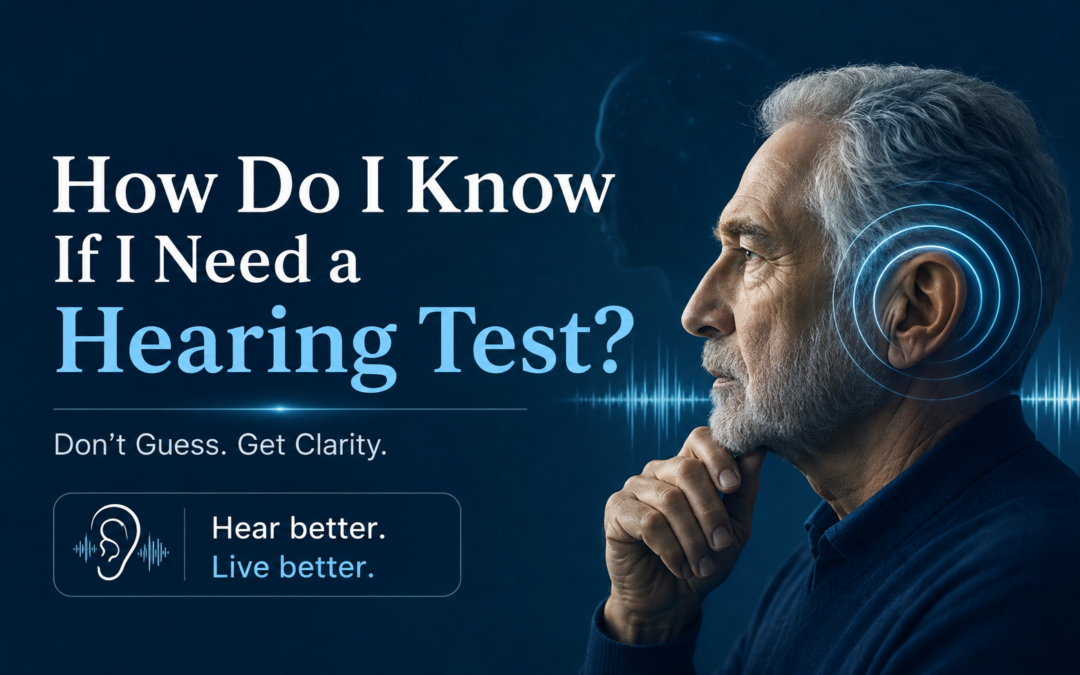
If you’re regularly asking people to repeat themselves, turning the TV up louder than others, or missing parts of conversations even in quiet rooms, a hearing test is worth considering. Pure Tone Audiometry measures how softly you detect sounds across different frequencies, identifying whether hearing loss is present and how significant it is. Most people wait years before getting checked. That’s a problem.
According to Rama Vaidyanathan, Hearing Aid Centre in Chembur, “hearing changes often happen so gradually that most people don’t notice until the loss is significant a baseline hearing test gives you something to measure against and helps guide the right support early.”
What Signs Mean You Should Get a Hearing Test?
Most people notice hearing difficulties in certain situations before they become a constant problem. Don’t wait for it to become obvious.
Repeating requests: If you’re frequently asking “can you say that again” especially in quiet settings where background noise isn’t the issue your ears may not be picking up speech frequencies the way they should.
TV volume: Needing the television at a noticeably higher volume than others in the room is one of the most consistent early indicators of high-frequency hearing loss, which is how most age-related hearing decline begins.
Phone calls: Telephone conversations strip away visual cues and rely entirely on audio clarity, so people often find phone calls much harder than face-to-face conversations when early hearing loss is present.
Noisy rooms: Hearing in background noise is genuinely harder for people with even mild hearing loss if crowded restaurants or family gatherings leave you exhausted from trying to follow what’s being said, that’s worth paying attention to.
Getting a Hearing Test (Pure Tone Audiometry) is the only reliable way to know whether what you’re experiencing reflects actual hearing loss or something else.
What Happens During a Hearing Test and Who Should Get One?
A hearing test isn’t complicated, but what it tells you is genuinely useful even if results come back normal.
The test itself: Pure Tone Audiometry involves listening to a series of tones at different pitches and volumes through headphones and pressing a button when you hear them, producing an audiogram that maps exactly where your hearing is strong or reduced.
Age factor: Adults over 50 are generally advised to get a baseline hearing test even without obvious symptoms, because hearing loss at this stage tends to be gradual and goes unrecognised until it’s moderate or worse.
After loud noise exposure: Anyone who has worked around heavy machinery, regularly attended loud concerts, or experienced a sudden loud sound should consider a hearing aid fitting consultation if they’ve noticed any change, because noise-induced loss shows up clearly on an audiogram.
Ringing in the ears: Tinnitus a persistent ringing, buzzing, or humming sound frequently occurs alongside hearing loss and is itself a reason to get a proper assessment rather than dismissing it.
Untreated hearing loss has also been linked to increased cognitive load and social withdrawal over time early identification matters more than most people realise.Read more about hearing loss and cognitive health.
Why Choose Shravan Shruthi Hearing Aid Center?
Dr. Rama Vaidyanathan is a qualified audiologist with over 40 years of experience in hearing assessment, hearing aid selection, fitting, and counselling, holding a graduation in Audiology and Speech Pathology from BYL Nair Hospital and a master’s degree from the University of Mumbai visit Shravan Shruthi Hearing Aid Center to learn more about her approach and background.
Thousands of individuals have been assessed and supported through personalised hearing care at the centre since 1998. Results here aren’t measured in devices sold they’re measured in people who can actually follow a conversation again without exhaustion.
Don’t ignore the signs of hearing difficulty. A timely hearing check can help you stay connected to conversations, family and everyday life. Get in touch to book your hearing assessment.
FAQ
At what age should I get my first hearing test?
Adults over 50 should consider a baseline test, even without obvious hearing symptoms.
Can a hearing test detect tinnitus?
Tinnitus is assessed separately, but a hearing test often reveals underlying loss associated with it.
Is a hearing test painful or uncomfortable?
No. It involves listening to tones through headphones in a quiet environment completely non-invasive.
How long does a hearing test take?
A standard Pure Tone Audiometry test typically takes between 20 and 40 minutes.